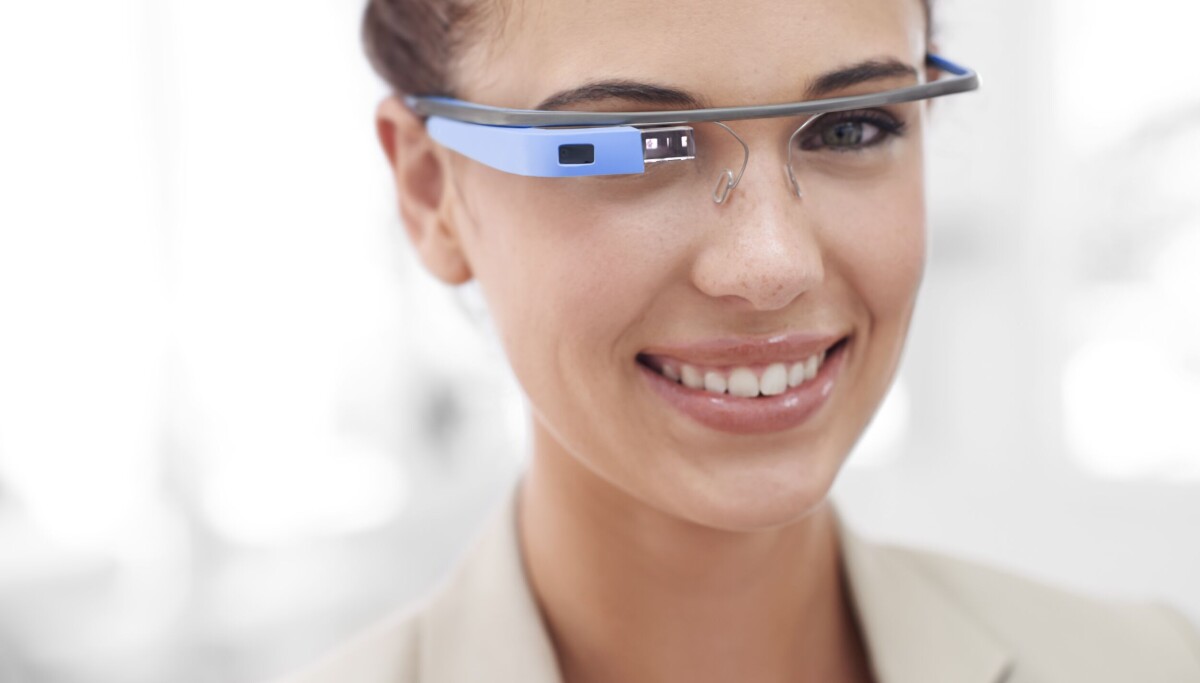
personal tech 'Intelligent eyewear' has a built-in camera and mic, but there's a recording light to warn you and some stern legalese to discourage abuse It’s been nearly a decade since Google ditched its ill-fated "Glass" product, an early attempt at making smart glasses. Now, as rivals like Meta enter the market with arguably more stylish kit, the Chocolate Factory has returned to the market and this time promises it won't invade your privacy. As announced Thursday, Google has decided not to make wearables itself, instead turning Samsung and eyeglass makers Warby Parker and Gentle Monster.
Like most of the rest of this generation of smart glasses, none of the nine styles available feature heads-up displays, just cameras and audio feedback from Gemini. Google suggests its smart specs give users a chance to ask its Gemini chatbot questions about what they see, or have the AI speak turn-by-turn directions. Wearers of the device can also push a button or speak a command to activate the built-in 12MP camera and shoot snaps or video.
REG AD Warby Parker's version of the glasses will come in three styles, with prescription and sunglass lenses available. Prices start at $395. The same lens options are available in the six frames from Gentle Monster, which will start at $449.
Both manufacturers promise nine hours of battery life, boosted by charging cases that can refresh the glasses up to seven times. REG AD Preorders for both are available now, with shipments arriving, and sales beginning, on December 10. Google promises privacy The Chocolate Factory, not exactly known for being reliable with its privacy claims, is insisting that this latest generation of smart glasses won’t produce another generation of “glassholes,” folk whose focus on wearable devices became synonymous with being creepy and rude to those around them.
Google has some catchup to do to that end, given Meta’s smart glasses have already landed it in hot water over privacy concerns that have led to some calling the devices “ pervert glasses .” Unsurprisingly, at around the same time it announced its new "intelligent eyeware," Google published a blog post detailing how it intends to mitigate privacy concerns. As with similar headsets, there’s a little light that comes on whenever the camera is activated. In Google’s case, it claims that light is tamper-resistant and designed to disable recording if something as small and simple as a bit of hair blocks a view of the light.
It’s not clear how the tamper proofing works from Google’s statements, but a spokesperson told us a combination of hardware and software is used to detect attempts to disable or disrupt privacy features. “We're committed to continuously improving the effectiveness of these solutions as new attack vectors are identified,” Google told us. The glasses don't save images or video captured by the camera into a user’s Gemini history, Google said, nor are visuals used to train the company’s AI models or target advertisements.
Google told us it does save audio recordings and transcripts of conversations with Gemini that users create while wearing the glasses but again insists that those aren’t used to train its AI models. REG AD We asked about serving ads too, but Google’s responses didn't address the topic. Lucky for those in range of a pair of Google glasses when wearers ask Gemini to interpret images captured by the device's camera, the tech specs redact the faces of strangers before they’re transmitted.
Google told us that face redaction doesn’t apply to photos or videos saved to a wearer’s camera roll. Google’s terms of use require users not to record others without permission, or in "sensitive places." If users ignore that requirement, the company reserves the right to brick their devices. Another restriction means Google won't allow apps that use the glasses for real-time streaming or facial recognition into its Play app store.
Given that it remains possible to use the glasses to store recordings of people around a wearer, it’s safe to assume non real-time facial recognition is still a possibility. Creeps will doubtless use such loopholes to behave abominably. ®
Source: The Register